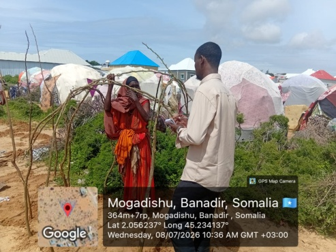
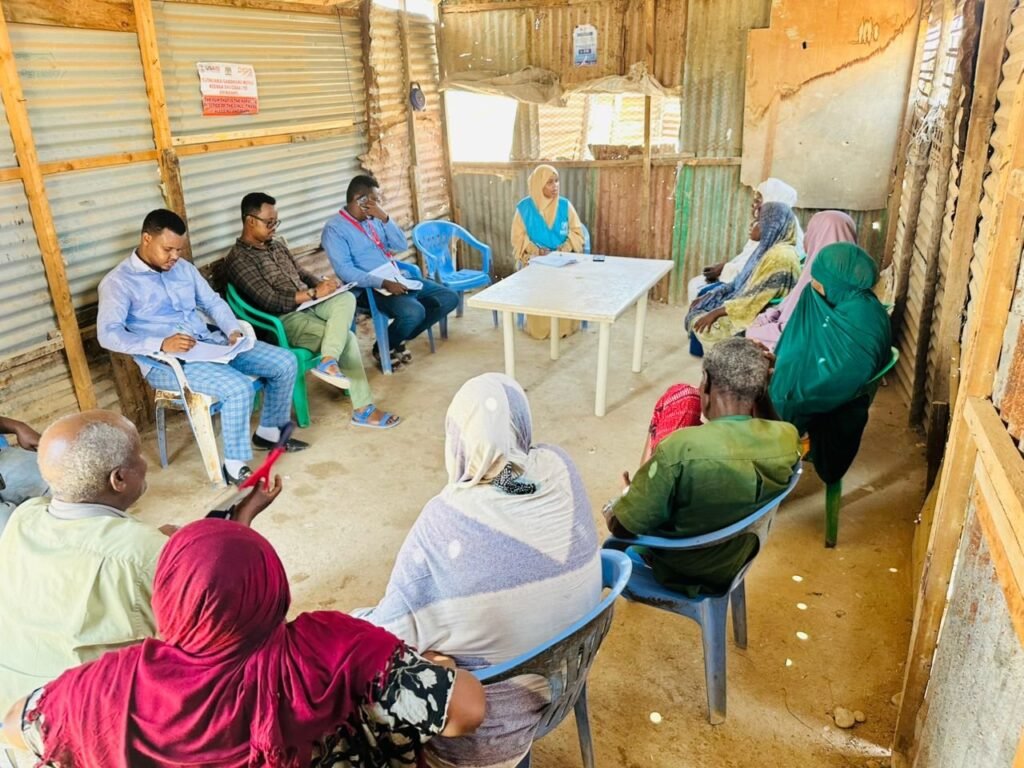
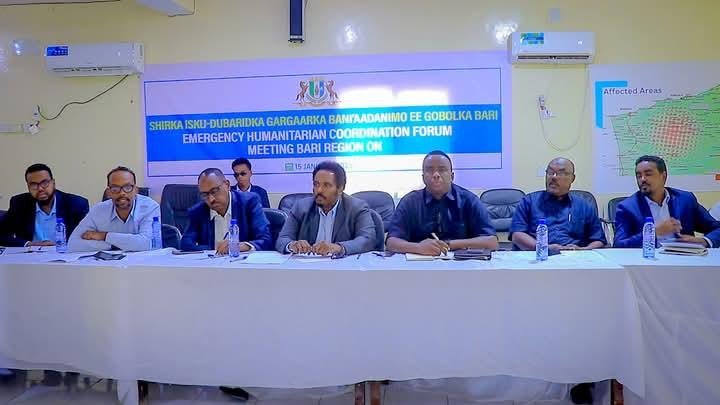
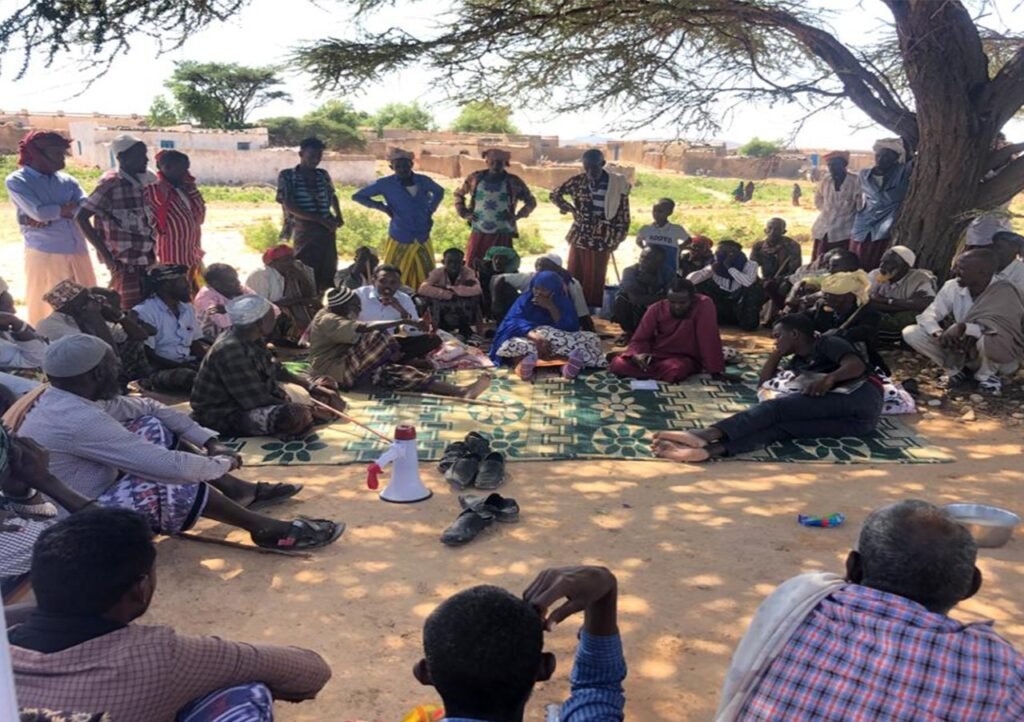
Read this report: Executive summary · Assessment findings · Recommendations for humanitarian agencies · Data qualifications · Assessment photographs Food Assessment Report — Bosaso Team A | Assessment date: 26 September 2024Assessment locations: Buulomigis, Waaberi, Ajuuran, Alkheyr, Biyokulule, Buulooelay and Buurgaabo. This historical assessment describes conditions reported in September 2024. It is not an update on current conditions. The text has been edited for clarity; data qualifications are explained below. Executive summary The assessment describes serious food insecurity among internally displaced people and other vulnerable communities in Bosaso. Households reported limited food consumption, gaps in humanitarian assistance and pressure on livelihoods following prolonged drought. Livestock losses, weak livestock markets and inflation also affected household income and women’s small businesses. The proposed response prioritizes food and safe water assistance, nutrition assessment and appropriate support, livelihood recovery, and shelter and protection assistance. These are recommendations arising from the assessment, not evidence of assistance already delivered. Background According to the original report, drought-affected households and internally displaced people in Bari and Sanaag had experienced gaps in humanitarian support. UNOCHA convened an Area-Based Coordination meeting on 25 September 2024 to strengthen communication, coordination and alignment among humanitarian actors in the two regions. One action agreed at the meeting was to begin an inter-agency assessment on 26 September 2024, focusing on Bosaso. The wider assessment considered food security, education, shelter, health, nutrition, and water, sanitation and hygiene. This report focuses on food security. The original participating-organization list identifies Al Ta’awun Social but is incomplete; the full team list requires confirmation. Assessment objectives Identify food-security needs and gaps in humanitarian assistance among displaced households and other vulnerable communities; prioritize immediate food, water and nutrition-related needs; and understand how drought, livestock losses, market constraints and inflation affect access to food and income. The assessment also aimed to identify opportunities for livelihood recovery and longer-term food security, incorporate community perspectives through discussions with local stakeholders, and provide practical recommendations for a coordinated humanitarian response. Methodology and limitations The team used household visits, direct observation, interviews and group discussions with community leaders. Visits prioritized vulnerable households across the seven named locations. The published source does not specify the number of households interviewed, respondent characteristics, selection criteria, interview tools or analysis procedures. Findings should be interpreted as reported conditions among the communities visited, rather than statistically representative estimates for all of Bosaso. Assessment findings Food consumption and assistance. Surveyed households reported eating one meal per day. The report describes substantial assistance gaps and unmet requests for food, water, shelter and protection. It does not provide clinical or anthropometric evidence establishing the prevalence or severity of malnutrition. Displacement and drought. The report links displacement to prolonged drought and the search for water and pasture. The reported population figure requires clarification because the original text uses people and households inconsistently. Livestock and markets. Communities reported livestock losses, reduced milk availability, limited market demand and low livestock sale prices. These pressures weakened pastoral livelihoods and purchasing power. Income and employment. Displaced households relied on casual labour and, where available, livestock. The report describes constrained livelihood opportunities, but its employment percentage cannot be interpreted reliably. Groups facing heightened difficulties. Children, older people, people with disabilities, pregnant and breastfeeding women, and women-headed households were identified as particularly affected by food shortages. Women’s businesses. Women reported inflation, reduced customer purchasing power, credit sales and losses from unsold perishable goods. The report also describes difficulties obtaining support from relatives and friends. Recommendations for humanitarian agencies 1. Food, water and nutrition. Prioritize emergency food and safe water assistance after confirming needs and household eligibility. Assess nutrition needs and arrange appropriate services, including supplementary feeding where indicated. Give particular attention to children, older people, people with disabilities, pregnant and breastfeeding women, and women-headed households. 2. Pastoral livelihoods. Provide veterinary support, livestock feed and water where feasible, and improve access to markets for livestock and livestock products. 3. Income recovery. Consider cash-for-work and alternative livelihood support, including vocational training and small-scale agriculture where locally viable. 4. Shelter and protection. Assess shelter gaps and provide suitable materials and protection services, with attention to the safety of women, children and other vulnerable groups. The source provides no response budget, confirmed caseload, delivery timetable or implementation results. These should be established before converting the recommendations into a funding proposal. Data qualifications Population figure: 3,200. The original findings refer to “3200 IDPs and HHs”, while the recommendations refer to “3,200 internally displaced households”. Whether this figure represents people or households, its geographic coverage and its source require confirmation. It should not be treated as a verified beneficiary total. Assistance gap: 90%. The original report states that 90% of households did not benefit from assistance, but gives no sample size, timeframe or denominator. It also contains broader statements that no assistance had been received. These statements require reconciliation before the percentage is used as a quantified finding. Employment figure: 2%. The wording “employment rates rarely drop below 2%” is ambiguous. The intended indicator, value and reference period require confirmation. No replacement percentage has been inferred. Drought duration and nutrition evidence. The source mentions both four years of continuous drought and the last three dry seasons; the relevant periods require clarification. One meal per day indicates restricted food consumption but does not, on its own, establish severe malnutrition. Supporting nutrition evidence is not included in the published source. Assessment documentation. The complete participating-team list, sample size, assessment tools and location spellings require confirmation. This revision improves grammar and structure and removes duplication without adding new field observations or implementation results. Assessment photographs